
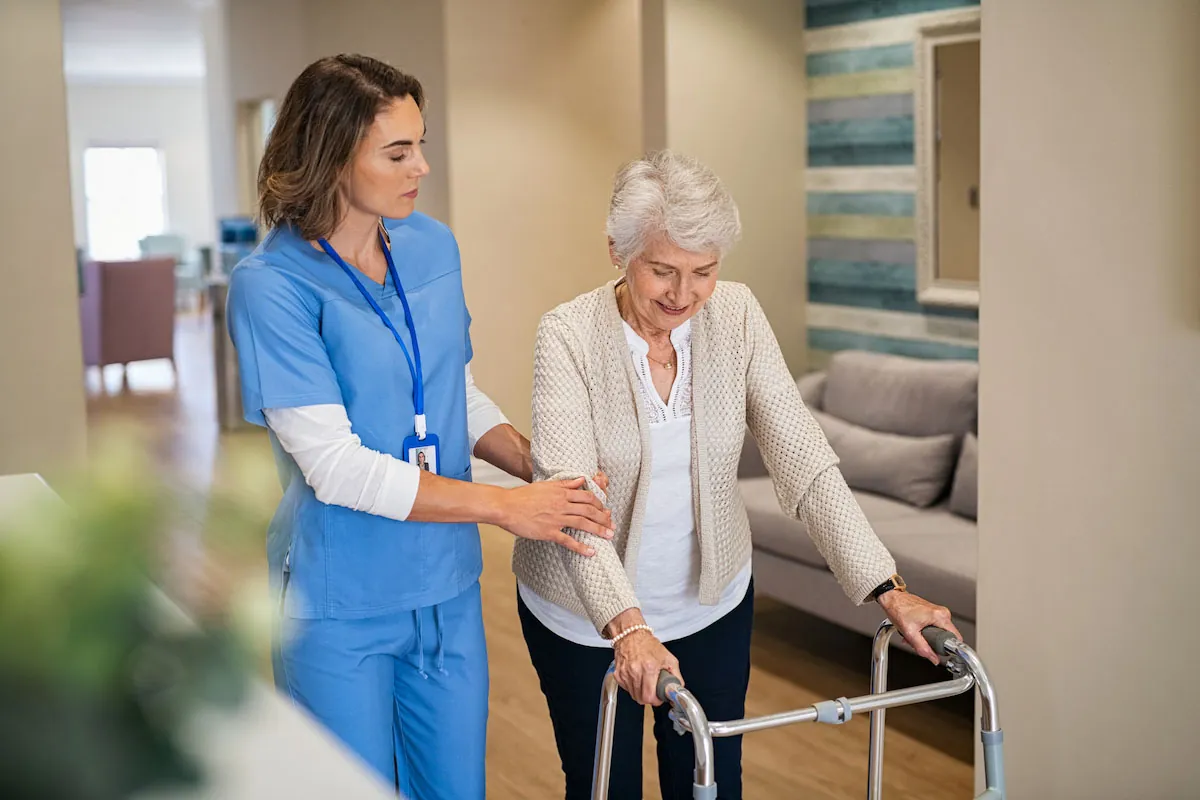
The tasks we help with
Care professionals call these activities of daily living. Families just call it the stuff that got hard.
- Getting out of bed and settled in a chair
- Walking safely around the house and the yard
- Standing up from the toilet, tub, or recliner
- Getting dressed and undressed
- Eating, and keeping an eye on how much is eaten
- Keeping to a routine through the day
- Laundry and changing bed linens
- Reaching things on high or low shelves
- Taking out trash and bringing in mail
- Getting ready for appointments and outings

Why small help early prevents big problems later
Most people do not move to assisted living because of one dramatic event. They move because a series of small things stopped working. Meals get skipped. The stairs feel risky. Laundry piles up. Confidence drops, then activity drops, then strength drops.
A few hours of help each week can break that chain. That is often the difference between staying home and moving out.
Fall prevention is part of every visit
Falls are the fastest way an older adult loses independence. Our caregivers watch for hazards while they work: loose rugs, cords, dim hallways, cluttered paths, and shoes without grip. See our home safety checklist.
After a hospital stay
The first weeks home after a hospital stay are when people struggle most. We help with the non-medical side: meals, getting around the house, laundry, rides to follow up appointments, and reminders. If skilled nursing or therapy is needed, that comes from a home health agency, and we work alongside them.
Care that grows with your family
Needs change. Care should too. Many families begin here and add personal care or more hours as time goes on.